BUILDING SKILLS. CREATING OPPORTUNITIES. SECURING FUTURES.
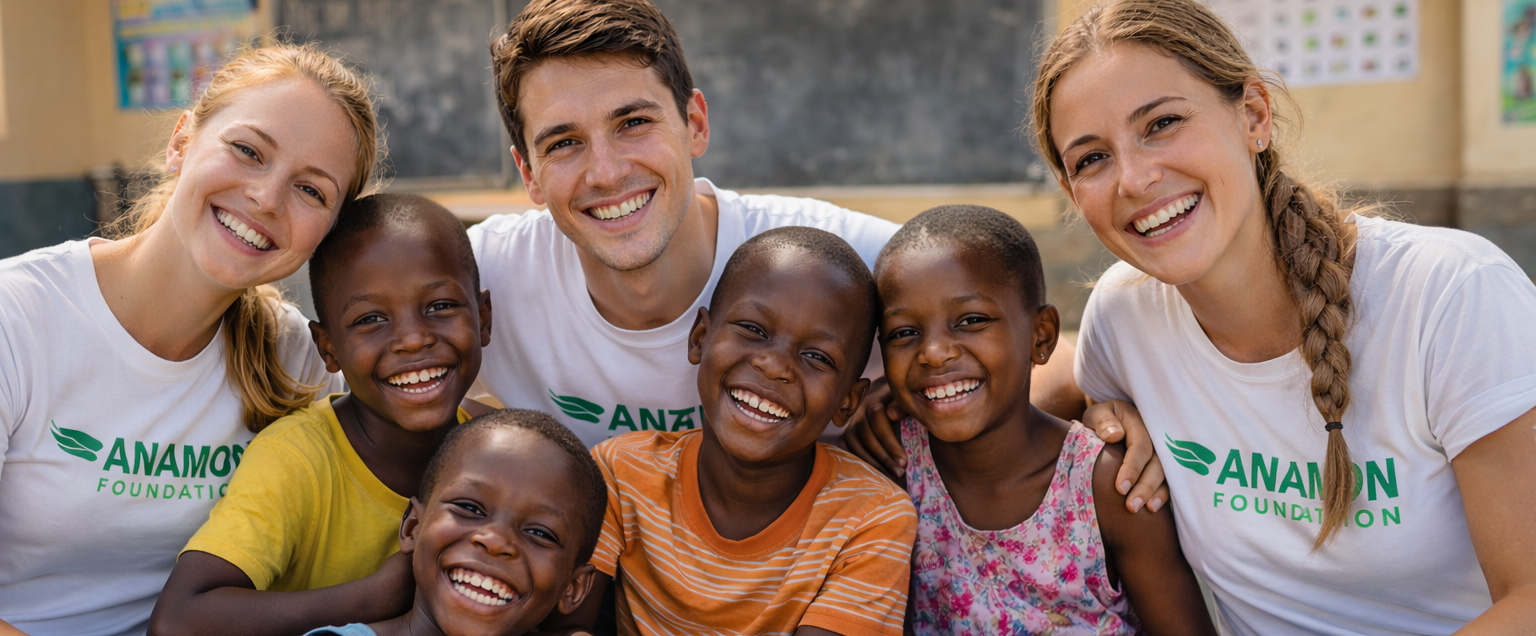
The Training and Apprenticeship Project (TAP) is a transformative initiative by the Anamon Foundation aimed at equipping underserved youth in Ghana with practical, marketable skills that lead to sustainable livelihoods and long-term economic independence.
The program focuses on vulnerable populations such as orphans, street children, abandoned children, and youth from deprived rural communities. By providing hands-on training, mentorship, and startup support, TAP empowers beneficiaries to break the cycle of poverty and build self-reliant futures.
The Training and Apprenticeship Project (TAP) is more than a skills program—it is a pathway to independence, dignity, and long-term success. By investing in the potential of underserved youth, the Anamon Foundation is building stronger communities and creating lasting economic change across Ghana.
TRAINING AREAS
TAP offers a wide range of skill-based training programs tailored to current market demands, including:
Fashion Designing
Makeup and Cosmetics
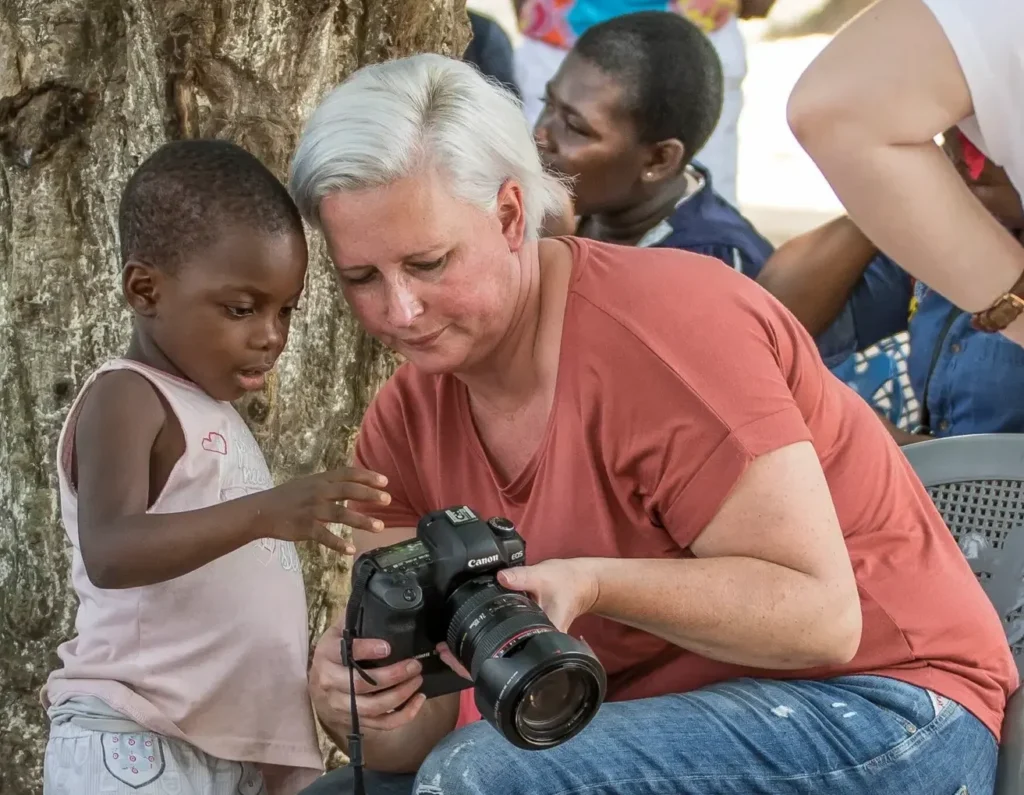
Video and Photography
Social Media Content Creation
Website Development
Carpentry
Electronic Repairs
Phone Repairs
Auto Mechanics
Farming and Agribusiness
Glass Cutting and Framing
These programs are designed to provide both technical expertise and entrepreneurial skills.
MENTORSHIP COMPONENT
Mentorship Component
Every apprentice is assigned an experienced professional in their chosen field who provides one-on-one mentorship throughout the training period.
Mentors guide beneficiaries from the beginning of their training through graduation and support them as they transition into setting up their own businesses.
COMPREHENSIVE SUPPORT
The Anamon Foundation provides full sponsorship for all beneficiaries, including:
Training and apprenticeship fees.
Feeding and accommodation.
Healthcare support.
Clothing and basic needs.
PROGRAM GOALS
Equip underserved youth with employable and entrepreneurial skills.
Reduce youth unemployment and poverty in vulnerable communities.
Promote self-reliance and economic independence.
Provide structured pathways from training to job creation.
Empower youth to become productive members of society.
WOULD YOU WANT TO BECOME OUR TRAINING PARTNER? PLEASE CONTACT US NOW.