
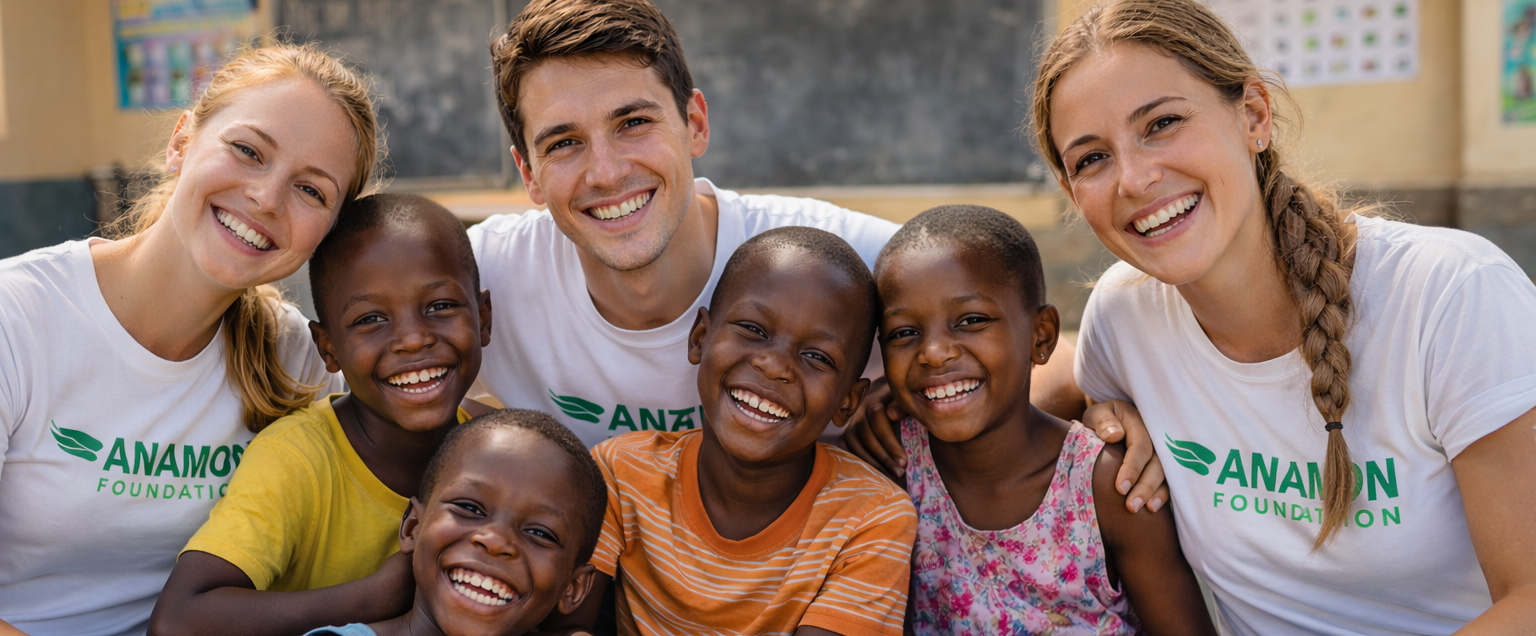
The Great Access Program (GAP) is a flagship initiative of the Anamon Foundation designed to empower underserved youth by removing financial and academic barriers to education. Through fully funded scholarships, provision of essential school supplies, and accessible academic support, GAP creates opportunities for children to learn, grow, and succeed in safe and nurturing environments.
The program focuses on children from deprived communities across Ghana, particularly those who are orphaned, abandoned, or living in extreme poverty.
The Great Access Program (GAP) is more than an education initiative—it is a lifeline for children who would otherwise be left behind. By removing barriers and providing essential support, the Anamon Foundation is empowering the next generation to reach their full potential and build a brighter future.
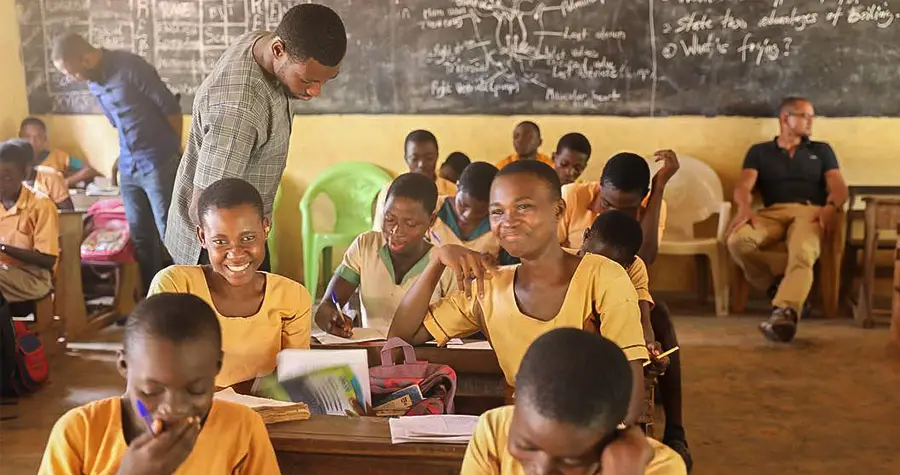
Under the GAP Scholarship Aid, the Anamon Foundation provides full financial support for the education of children from deprived communities, especially orphans, abandoned children, and those in rural areas of Ghana.
The program covers the complete cost of formal education for carefully selected beneficiaries—from basic education through to college or university.
Key Features:
This initiative ensures that no child is denied education due to financial hardship.
The Anamon Foundation believes that starting the school year with the right tools promotes learning, boosts self-esteem, and helps children stay in school.
However, many families struggle to afford the long list of required school supplies each year.
The Back-to-School Initiative addresses this need by providing free school supplies to underprivileged children every summer in preparation for the new academic year.
Each child receives a B2S Backpack containing approximately 25 grade-appropriate school supplies.
Distribution Channels:
This initiative ensures children begin school confident, prepared, and ready to succeed.
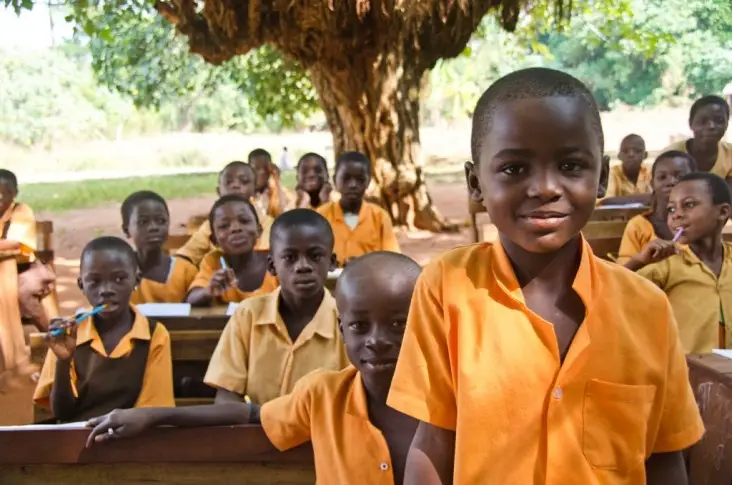

Homework can be a major source of stress for students and their families, especially when academic support is not available at home.
The Homework Support Program provides one-on-one tutoring to help students complete assignments and fully understand their lessons.
Program Highlights:
With just a click, students are connected to trained tutors for real-time academic assistance from the comfort of their homes.
Our Approach:
7724 85TH Ave NE
Marysville, 98270
WA, USA.
14 Batsonaa Hwy
Accra, Ghana
West Africa.