
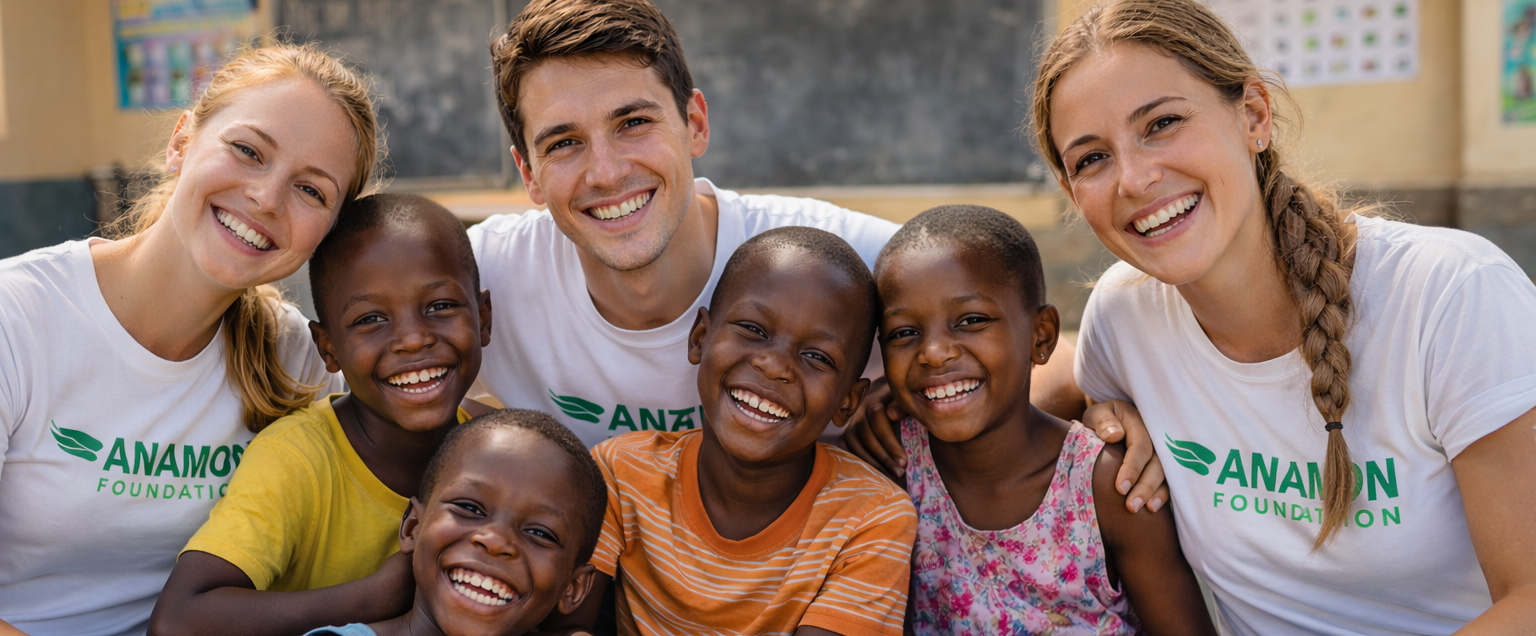
The Clothe The Naked Outreach is a humanitarian and environmental initiative of the Anamon Foundation that addresses both social vulnerability and environmental sustainability.
The program collects, repackages, and redistributes gently used clothing to underserved populations, including orphanages, psychiatric hospitals, prisons, and deprived rural communities across Ghana. By meeting a basic human need—adequate clothing—the initiative restores dignity, improves well-being, and promotes social inclusion.
At the same time, the program tackles environmental challenges by reducing textile waste and preventing reusable clothing from ending up in dumpsites, thereby contributing to climate action and sustainable resource use.
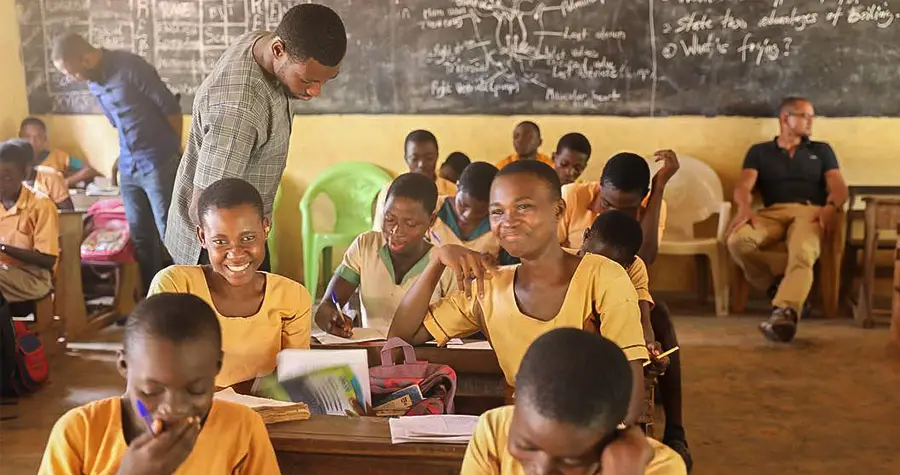
Problem:
In Ghana, many vulnerable populations lack access to adequate clothing, affecting their dignity, health, and social inclusion. At the same time, large volumes of unwanted clothing are discarded into dumpsites, contributing to environmental pollution and poor sanitation.
Solution:
If gently used clothing is systematically collected, repackaged, and equitably distributed, then clothing insecurity will be reduced, dignity and well-being will be restored, and environmental pollution will decrease.
Impact:
This leads to improved quality of life for vulnerable individuals, reduced environmental degradation, and stronger, more resilient communities.
Clothing is a basic human need, yet many individuals in Ghana go without it. By addressing this gap, the Clothe The Naked Outreach not only meets an immediate need but also creates long-term environmental and social benefits.
The program demonstrates how simple acts of giving can create powerful, sustainable change.
The Clothe The Naked Outreach delivers a dual-impact solution by addressing both human need and environmental sustainability.
Key Impact Metrics:
These metrics can be tracked and reported quarterly or annually to ensure accountability and continuous improvement.
This program directly contributes to the United Nations Sustainable Development Goals (SDGs):
SDG 1 – No Poverty
Provides essential clothing to reduce material deprivation among vulnerable populations.
SDG 12 – Responsible Consumption and Production
Promotes reuse and redistribution of clothing, reducing waste and encouraging sustainable practices.
SDG 13 – Climate Action
Reduces environmental harm by diverting textile waste from landfills and lowering emissions linked to clothing production and disposal.
7724 85TH Ave NE
Marysville, 98270
WA, USA.
14 Batsonaa Hwy
Accra, Ghana
West Africa.